 Chat with us
 Mon - Sat 8:00 - 6:30, Sunday - CLOSEDMon - Sat 8:00 - 6:30, Sunday - CLOSED
 Send Email
 Send Inquiry
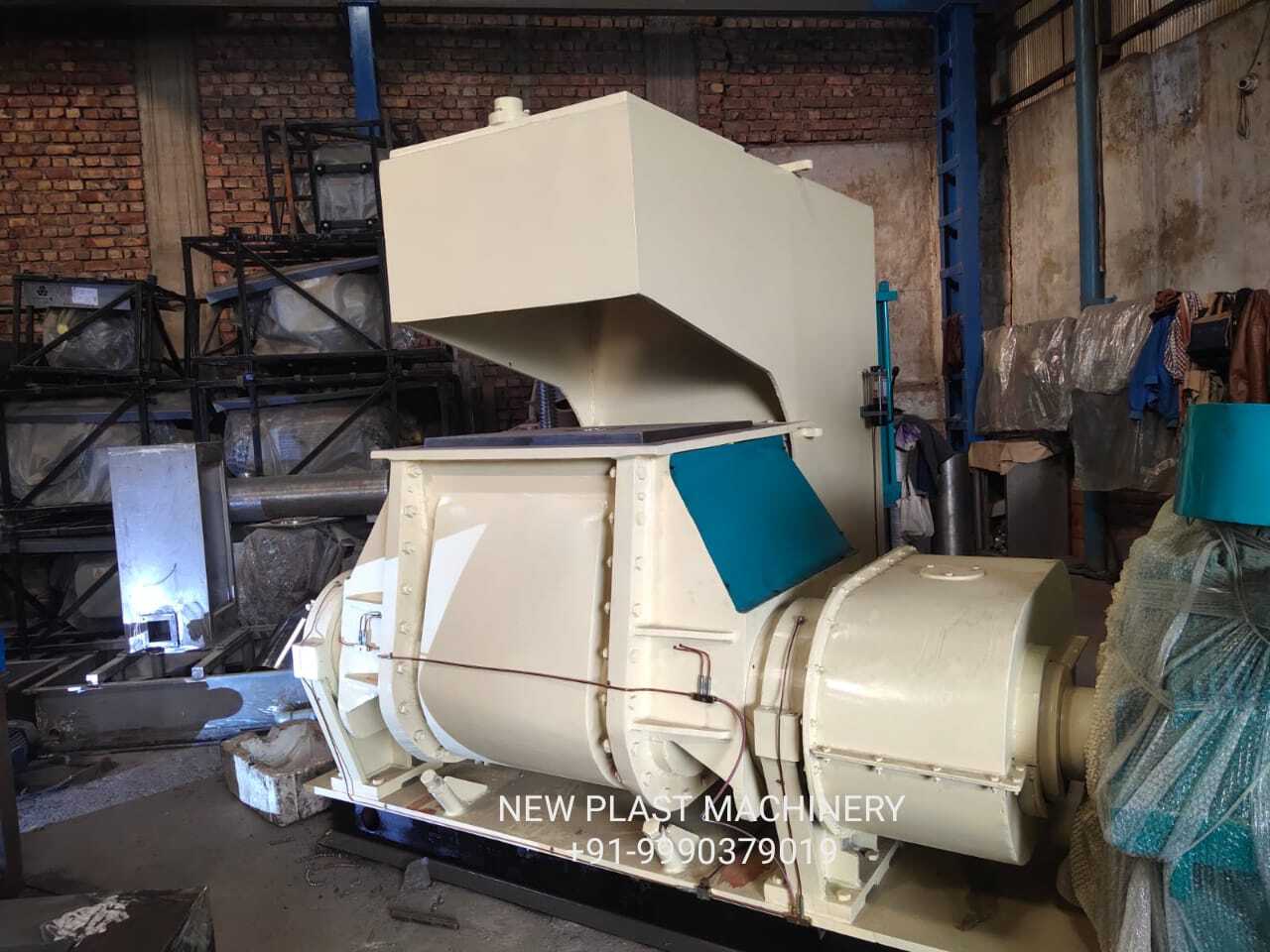
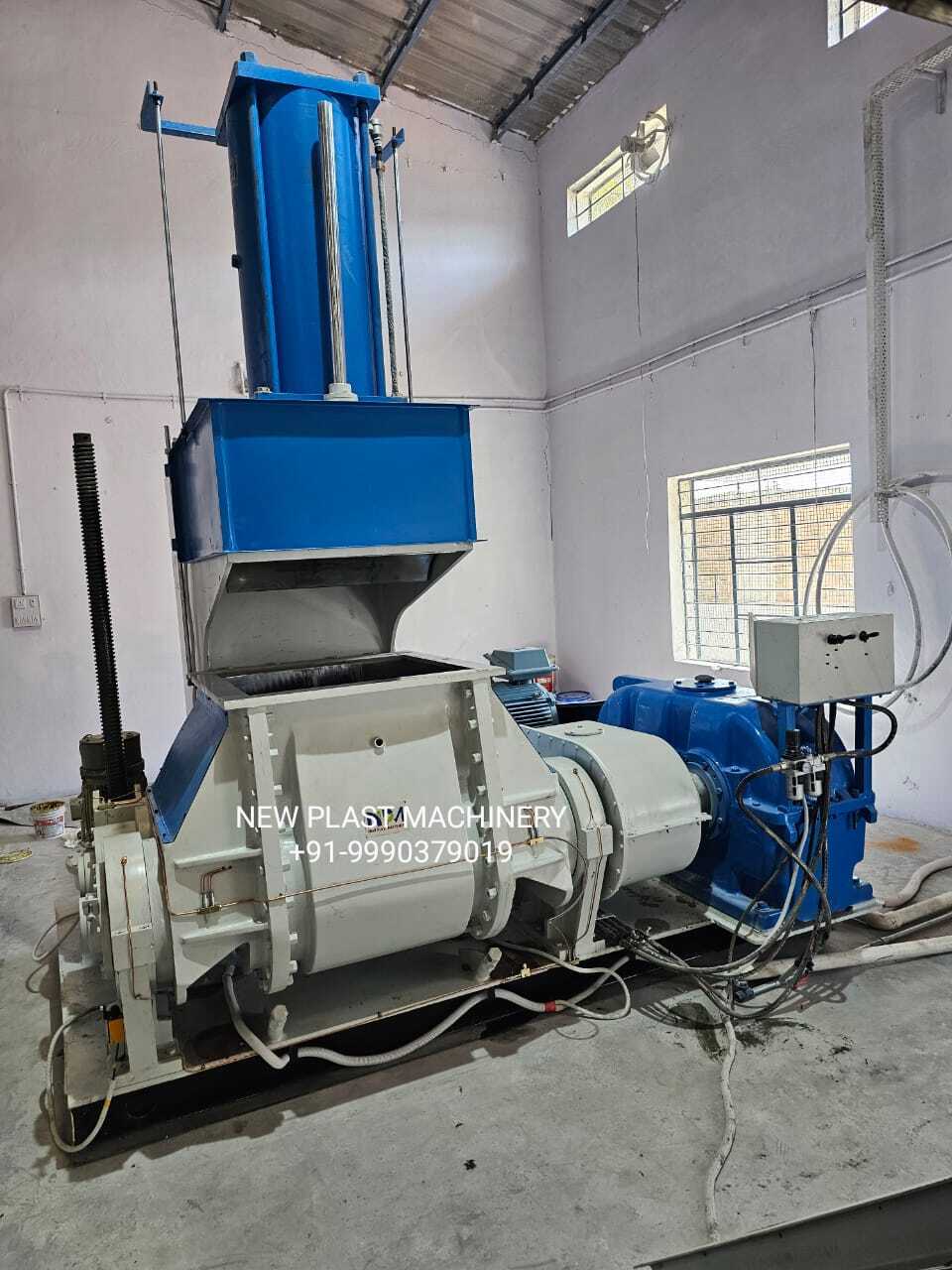
125 Litres Rubber kneader Machine
Price 2200000.0 INR/ Container
MOQ : 1 Unit
125 Litres Rubber kneader Machine Specification
- Material
- Mild Steel
- Capacity
- 125 Ltr
- Computerized
- Yes
- Automatic Grade
- Semi-Automatic
- Control System
- Human Machine Interface
- Weight
- 2 Ton Kilograms (kg)
125 Litres Rubber kneader Machine Trade Information
- Minimum Order Quantity
- 1 Unit
- Payment Terms
- Cash in Advance (CID)
- Supply Ability
- 4 Units Per Month
- Delivery Time
- 4 Days
- Packaging Details
- wraping packaging
- Main Domestic Market
- All India
- Certifications
- yes
125 Litres Rubber kneader Machine About
Material Construction of Rubber Dispersion Kneader:
Mixing Chamber:
- Fabricated alloy steel, hard faced, jacketed (both longitudinal and transverse) for steam heating and water cooling and tilt for easy discharge and cleaning.
Mixing Rotors:
- Spirally annular design, made of alloy cast steel, with node tips that are internally cored for good temperature regulation. The nodes' land is hard faced and profiled.
Pressure Lid:
- Jacketed for effective heating/cooling, steel fabricated, hard faced at mix contact area. (Pneumatic and hydraulic variants available.)
Dust Seal:
- Designed specifically to maintain the environment clean, and easily changed.
Applications:
- Automobile oil seals, body seals, gaskets, belts, hoses and tubes
- Rubber for Electric wires
- Conveyor Belts & Power transmission belts
- Rubberized Rolls
- Rubber-based products such as plugs, caps, gloves, and dental supplies for the medical line
Advanced Computerized Control
Equipped with a sophisticated Human Machine Interface, the 125 Litres Rubber Kneader allows operators to monitor and adjust key parameters with precision. The semi-automatic nature enhances ease of use, reducing manual intervention and ensuring optimized mixing cycles for a variety of rubber formulations.
Robust and Reliable Construction
Manufactured from durable mild steel and weighing 2 tons, this kneader is designed to withstand rigorous, continuous operation. Its heavy-duty build ensures stability during the kneading process, minimizing vibrations and extending the lifespan of the machine in high-output environments.
Ideal for Industrial Applications
With its substantial 125-liter capacity, this machine is ideal for mid- to large-scale manufacturers and suppliers who demand consistent results. Its design addresses the needs of the Indian export and supply market, offering efficiency, reliability, and scalability for demanding production requirements.
FAQ's of 125 Litres Rubber kneader Machine:
Q: How does the computerized Human Machine Interface benefit the rubber kneading process?
A: The integrated Human Machine Interface (HMI) enables precise control over mixing parameters, such as temperature, speed, and time. This automation minimizes human error, optimizes the kneading process, and ensures consistent product quality in each batch.Q: What materials can be processed in the 125 Litres Rubber Kneader Machine?
A: The machine is designed primarily for rubber, but its robust mild steel construction makes it compatible with various polymers and similar materials commonly used in industrial compounding and mixing applications.Q: When is the ideal stage to use this kneader in rubber processing?
A: This rubber kneader is best utilized in the initial mixing and compounding stages, thoroughly combining raw materials before downstream processes like extrusion or vulcanization, ensuring uniformity and quality in the final product.Q: Where is the 125 Litres Rubber Kneader Machine manufactured and available for export?
A: The machine is manufactured in India and is available for export to international markets, serving manufacturers, suppliers, and exporters seeking reliable rubber processing solutions.Q: What is the process of operating the semi-automatic kneader with computerized controls?
A: Operators load raw materials into the kneader, select programmed settings via the HMI, and start the mixing cycle. The machine then automatically regulates mixing actions, allowing for manual adjustments if necessary, followed by discharge upon completion.Q: How can businesses benefit from using this semi-automatic kneader?
A: Businesses gain from improved production efficiency, reduced manual labor, superior batch consistency, and lower maintenance due to its sturdy construction. The computerized system also streamlines operations and helps maintain high-quality output.Q: What usage safety measures should be observed when working with the machine?
A: Operators must follow standard industrial safety protocols, such as wearing protective gear, ensuring the kneader is properly installed on a stable surface, and regularly inspecting the HMI and mechanical components for optimal performance and safety.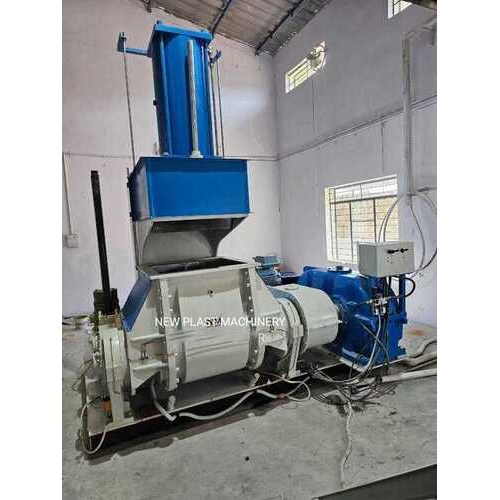
Tell us about your requirement

Price:
Quantity
Select Unit
- 50
- 100
- 200
- 250
- 500
- 1000+
Additional detail
Mobile number
Email

More Products in Kneader Machine Category
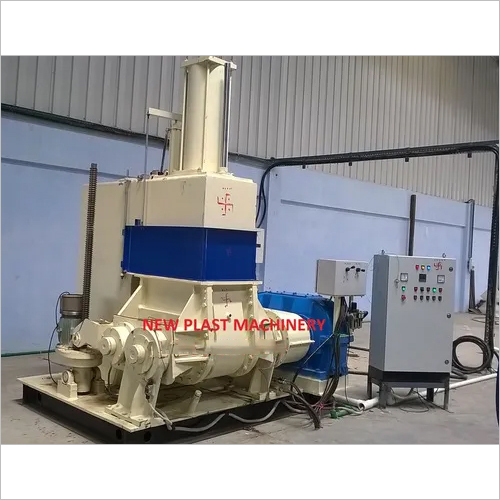
Rubber Kneader Machine
Minimum Order Quantity : 01 Piece
Material : Alloy Steel
Automatic Grade : SemiAutomatic
Computerized : No
Control System : Human Machine Interface
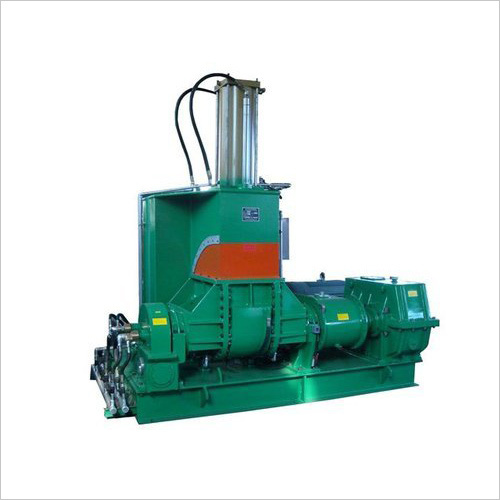
Rubber Dispersion Kneader
Price 1500000.0 INR / Unit
Minimum Order Quantity : 1 Unit
Material : Mild Steel
Automatic Grade : Automatic
Computerized : No
Control System : Human Machine Interface
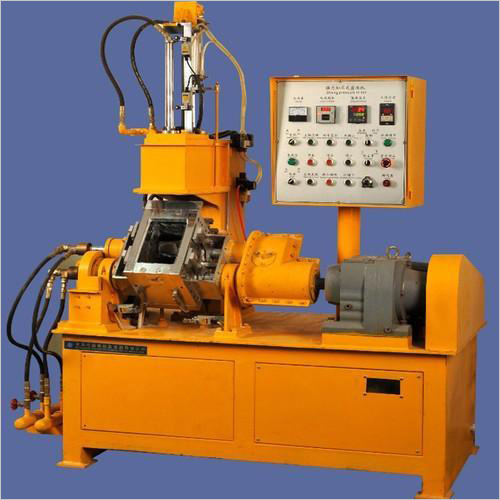
Lab Kneader
Minimum Order Quantity : 1 , , Unit
Material : Mild Steel
Automatic Grade : Automatic
Computerized : No
Control System : PLC Control
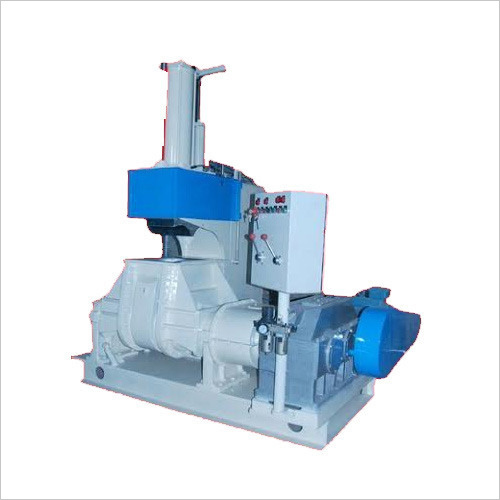
PVC Dispersion Kneader Machine
Price 950000 INR / Unit
Minimum Order Quantity : 1 Unit
Material : Mild Steel
Automatic Grade : Automatic
Computerized : Yes
Control System : Human Machine Interface


|


Contact Details

- Plot No- 804, MIE Part- A, Opposite Pillar No- 767,Bahadurgarh - 124507, Haryana, India
- Phone : 08045816693
GST : 06BKVPK9390K1Z6

- Mr Nitin Kumar (Proprietor)
- Mobile : 08045816693
- Mr. Brijesh Kumar
- Mobile : 08045816693
- Send Inquiry
 Send Inquiry
 Send Inquiry
 Send SMS
NEW PLAST MACHINERY
All Rights Reserved.(Terms of Use)
Developed and Managed by Infocom Network Private Limited.
Developed and Managed by Infocom Network Private Limited.
